Sema Image
Thermal imaging technology has gained traction for its potential in fever detection during health crises. Many public spaces, such as airports and schools, have adopted it to screen large crowds. The pressing question is: can thermal imaging detect fever accurately in a crowd?
This inquiry is crucial, as misdiagnosis can lead to significant health risks. Thermal cameras scan skin temperature but may not represent core body temperature accurately. Factors like distance, environmental conditions, and skin tone can influence results. Some studies suggest that thermal imaging may provide false positives or negatives under certain conditions.
Though promising, this technology isn't a foolproof solution. The need for additional confirmation methods remains vital. As we explore this topic, it’s essential to critically assess the role of thermal imaging in public health. The balance between rapid detection and accuracy is a delicate one. Understanding its limitations will guide better practices in the future.
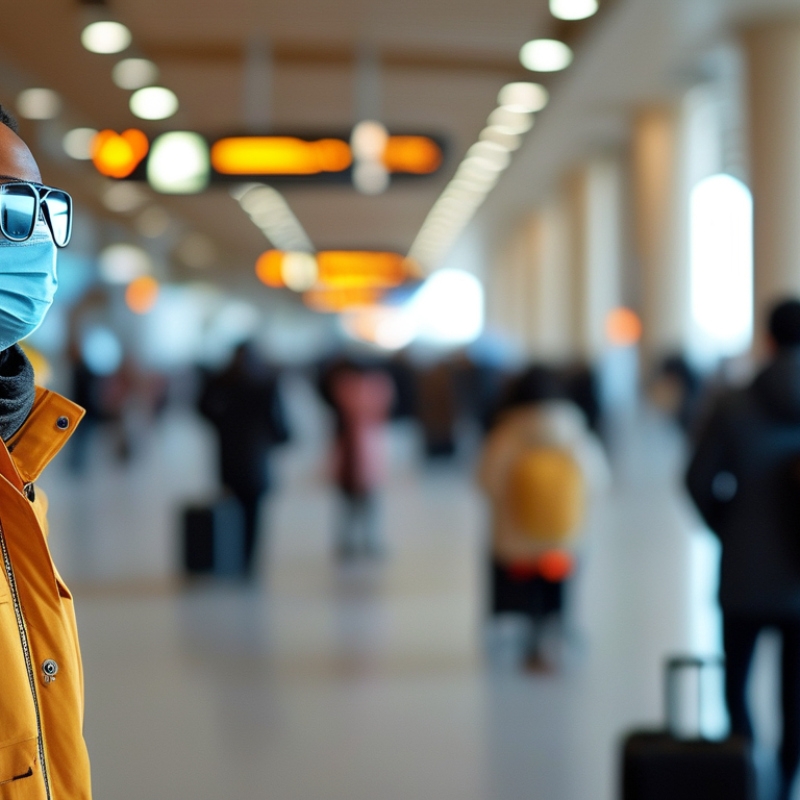
Thermal imaging is increasingly used for detecting fevers in crowded places. It provides a non-invasive way to screen individuals quickly. However, the accuracy of these systems can vary. Factors like ambient temperature and distance from the camera can affect readings. Studies show that while thermal imaging can indicate elevated body temperatures, it does not confirm fever alone.
In crowded settings, environmental conditions play a crucial role. A heat wave or even direct sunlight can skew results. Therefore, using thermal imaging in combination with other methods is essential. It’s not a standalone solution. Regular calibration of the thermal cameras is also vital to maintain accuracy.
Tips: Conduct regular maintenance on your thermal devices. Always validate readings with traditional methods when possible. Train personnel on interpreting results accurately. Remember, while thermal imaging is useful, reliance solely on it could be misleading.
Thermal imaging technology has gained attention for its potential in medical applications, especially for detecting fever in crowded environments. This technology operates on the principle of capturing infrared radiation emitted by objects, including human bodies. When a person has a fever, their body temperature increases, leading to higher infrared emissions. Thermal cameras translate these emissions into images that can show temperature variations.
However, the accuracy of thermal imaging in detecting fever is not without challenges. Factors like environmental temperature, camera calibration, and individual variations can affect results. The technology may fail in crowded places where multiple heat sources interfere with readings. Inconsistent results are an issue. Not everyone with a high temperature has a fever; other factors, such as skin conditions or heavy clothing, can mislead screenings.
Another consideration is the training required for accurate interpretation of thermal images. Users must understand how to set up the equipment correctly and interpret the data effectively. Misinterpretations can occur if the user lacks training. Thus, while thermal imaging can be a useful screening tool, it should complement other methods rather than act as a standalone solution.
Thermal imaging has gained popularity for fever detection, especially in crowded places. Its non-contact nature makes it appealing. However, studies show mixed results. A report from the Journal of Medical Screening indicates that thermal scanners miss up to 30% of febrile cases. This raises questions about their reliability.
Traditional methods, like oral or axillary measurements, offer precision. These methods can catch elevated body temperatures more accurately. The American Journal of Public Health states that screening with traditional thermometers has a sensitivity rating of 93-96%. This highlights the effectiveness of conventional tests compared to thermal imaging.
While thermal imaging provides quick results, it can be influenced by environmental factors. Direct sunlight or wind may affect readings. A comparative study revealed that only 60% of participants with fevers were detected using thermal cameras. This discrepancy illustrates the need to evaluate the effectiveness of different screening methods in various settings.
Thermal imaging technology is gaining attention for monitoring body temperatures in crowded settings. Field studies show varying outcomes regarding its effectiveness. Large gatherings at events or transit hubs present unique challenges. The ambient temperature can influence readings significantly.
Many studies report mixed results on accuracy. Some thermal imaging systems detect elevated temperatures with reasonable reliability. Others fail to capture fever accurately amid large crowds. The system may identify individuals incorrectly due to environmental factors. The calibration and positioning of equipment also play vital roles.
While thermal imaging offers potential advantages, it is not foolproof. Training operators is crucial to interpreting results correctly. Misinterpretations could lead to unnecessary alarms or missed detections. Ethical considerations arise when determining follow-up health checks based on these readings. The technology needs continual evaluation to remain effective in diverse conditions.
Thermal imaging systems are gaining popularity for fever detection. However, standards are essential to ensure their effectiveness. The regulation varies widely by region. Proper calibration is critical for accurate results. Systems must be validated regularly. This helps to detect potential issues that could hinder performance.
Best practices include positioning the camera correctly. Aiming for a clear view of individuals is crucial. Situations with crowds pose unique challenges. Environmental factors can affect accuracy significantly. Heat sources, like direct sunlight, can create false positives. It’s vital to establish protocols to minimize these risks.
Training personnel on how to use these systems is often overlooked. Understanding the technology is important for effective operation. Additionally, evaluating results should involve comprehensive data analysis. Relying solely on thermal imaging may lead to unrecognized risks. A layered approach, combining different methods, could enhance reliability. This reflects the need for continual improvement in fever detection systems.
| Method | Accuracy (%) | Detection Range (°C) | Response Time (seconds) | Recommended Usage |
|---|---|---|---|---|
| Infrared Cameras | 95 | 34 - 42 | 1 | Public Spaces |
| Thermal Scanners | 92 | 35 - 40 | 2 | Health Checkpoints |
| Contactless Thermometers | 90 | 30 - 43 | 0.5 | Individual Screening |
| Thermal Imaging Systems | 93 | 32 - 41 | 1.5 | Event Monitoring |
: Thermal imaging monitors body temperatures during large gatherings or transit hubs. It helps identify potential fevers.
No, many studies show mixed results. Some systems miss fevers due to environmental factors in crowded settings.
Ambient temperature can significantly influence readings. Heat sources may create false positives or negatives.
Calibration ensures that the thermal imaging systems provide accurate results. Regular validation helps maintain performance.
Position cameras for a clear view of individuals. Minimize risks from environmental factors to improve accuracy.
Operator training is crucial. Proper interpretation of results prevents unnecessary alarms or missed detections.
Ethical concerns arise when using readings for health checks. Follow-up procedures need careful thought and precision.
No, relying solely on thermal imaging has risks. A layered approach may enhance reliability in diverse situations.
Crowds complicate accurate fever detection due to overlapping heat signatures and environmental influences.
Continuous evaluation is necessary. This helps ensure effectiveness in changing conditions and improves the overall technology.
Thermal imaging technology offers a promising approach for fever detection in crowded environments, but its accuracy remains a subject of ongoing evaluation. The article "Can Thermal Imaging Accurately Detect Fever in Crowds?" examines various factors influencing the performance of thermal imaging systems. It provides an overview of the accuracy of these devices compared to traditional fever screening methods, highlighting their advantages and limitations.
Furthermore, the article delves into the technological principles behind thermal imaging in medical applications and reviews field studies that assess its efficacy in real-world scenarios. It emphasizes the importance of adhering to regulatory standards and best practices to ensure reliable fever detection. Ultimately, while thermal imaging has the potential to detect fever accurately in a crowd, its effectiveness depends on proper implementation and context.
