Sema Image Sema Image

How to Use Infrared Technology to Monitor Solar Panel Efficiency?

Time:2026-06-04 Author:Oliver
0%

Monitoring solar panel efficiency is essential for optimizing energy production. Infrared technology offers a unique approach to assess performance accurately. It enables us to visualize temperature variations across solar panels. This insight reveals potential issues, such as overheating or malfunctions.

Understanding how to monitor solar panel efficiency using infrared technology can greatly enhance maintenance strategies. This method helps identify hotspots that indicate inefficiencies. Such early detection can prevent significant energy loss. Additionally, infrared cameras are user-friendly and can be integrated into regular maintenance routines.

However, the effectiveness of this technology can vary. Variables like environmental conditions may affect accuracy. Users should also be aware of the limitations in assessing performance solely through thermal imaging. A combination of methods may offer a more comprehensive view of solar panel health. Addressing these factors is crucial for achieving reliable monitoring results.
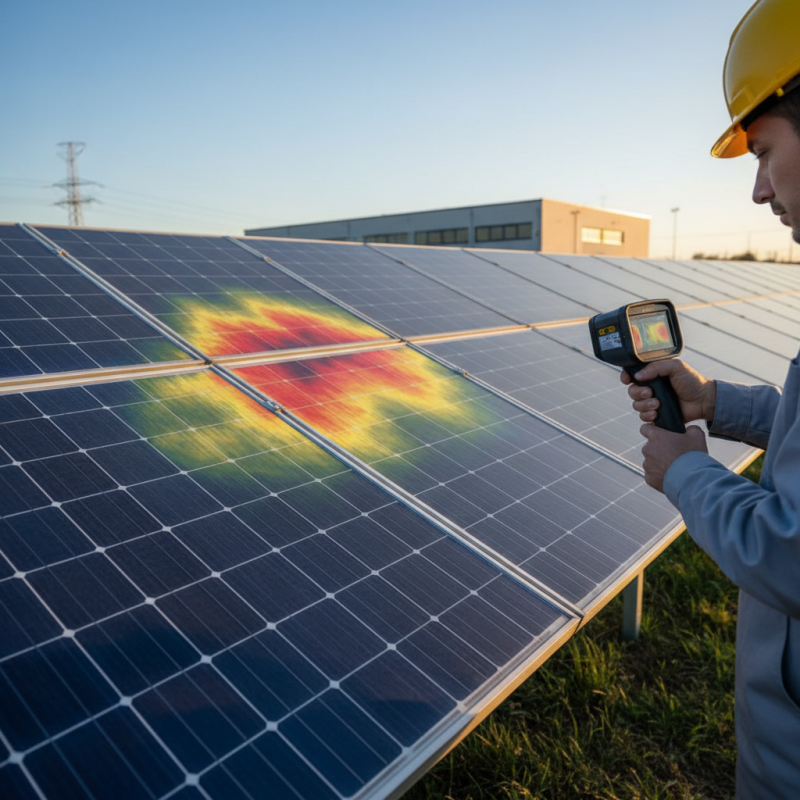
How to Use Infrared Technology to Monitor Solar Panel Efficiency?

Understanding Infrared Technology in Solar Panel Monitoring

Infrared technology has become a promising tool in monitoring solar panel efficiency. It allows for the detection of hot spots and inefficiencies within solar cells. By using infrared thermography, technicians can visualize temperature variations across the panel's surface. This helps identify potential issues that could lead to energy loss.

In practical applications, a thermal camera captures images showing temperature differences. Areas that are unusually hot may indicate malfunctioning cells. Conversely, cooler areas can suggest less active spots within the array. Regular monitoring is essential for maintaining optimal performance. However, the effectiveness of this technology hinges on the operator’s expertise and training. Not all hot spots indicate severe issues, so experience is critical.

Yet, the deployment of infrared technology isn't without challenges. Environmental factors can influence the accuracy of readings. Cloud cover, for example, can skew results during inspections. Some technicians may also misinterpret thermal images, leading to unnecessary repairs. Continuous education and calibration of equipment are necessary to enhance reliability in monitoring solar panels.

Principles of Thermal Imaging and Infrared Sensors

Thermal imaging and infrared sensors are crucial tools for monitoring solar panel efficiency. These technologies rely on detecting infrared radiation emitted from objects. Solar panels generate energy, and as they operate, they emit heat. By analyzing this heat signature, one can assess their performance accurately. Research from the National Renewable Energy Laboratory highlights that temperature differences in solar panels can indicate a decrease in efficiency. For instance, panels overheating can signal malfunction or shading.

Tips for effective monitoring: regularly check for abnormal heat patterns. Utilize thermal cameras when panels show performance drops. This will help identify potential issues before they escalate. Infrared sensors can effectively detect hot spots which may indicate a problem.

Despite the advantages, understanding infrared data can be challenging. New users may misinterpret thermal images, leading to unnecessary maintenance. Familiarizing oneself with thermal imaging basics is beneficial. Reviewing case studies may provide insight into common mistakes. Ensuring a reliable data analysis process can enhance the accuracy of monitoring. Continuous learning in this area is essential to optimize solar panel efficiency.

Solar Panel Efficiency Monitoring Using Infrared Technology

Applications of Infrared Technology in Assessing Solar Efficiency

Infrared technology plays a crucial role in assessing solar panel efficiency. This method uses infrared cameras to detect heat variations across solar panels. Panels with dead cells or damage exhibit different thermal patterns. By identifying these hotspots, technicians can pinpoint areas needing repair.

In practical applications, infrared assessments are often performed during routine maintenance. Drones equipped with thermal cameras can quickly survey large solar farms. This approach minimizes downtime and enhances the maintenance process. Various studies suggest that timely infrared inspections can increase a solar farm’s output by a significant percentage.

However, some challenges exist. Weather conditions can affect infrared readings, leading to potential inaccuracies. Technicians must also receive proper training to interpret thermal images effectively. Not all anomalies signal critical issues. Some may indicate normal operational fluctuations. Recognizing what requires intervention is essential for optimum performance.

How to Use Infrared Technology to Monitor Solar Panel Efficiency? - Applications of Infrared Technology in Assessing Solar Efficiency

Aspect Measurement Method Data Type Frequency of Assessment Typical Values
Temperature Monitoring Infrared Thermography Surface Temperature Daily 25°C to 80°C
Hotspot Detection Thermal Imaging Localized Temperature Anomalies Weekly > 50°C vs. surrounding panels
Efficiency Assessment Electroluminescence Imaging Panel Performance Monthly 70% to 90% Efficiency
Degradation Analysis Real-time Thermal Monitoring Long-term Trends Annually 0.5% to 1% Decrease per Year

Interpreting Infrared Data to Identify Performance Issues

Infrared technology plays a crucial role in assessing solar panel efficiency. By capturing thermal images, it reveals hotspots indicative of performance issues. A study from the National Renewable Energy Laboratory (NREL) states that 5% to 20% of solar panels can exhibit significant inefficiencies, often overlooked in standard visual inspections. Using infrared cameras, operators can swiftly identify these anomalies without the need for direct contact.

Data interpretation is key in this process. Each thermal image must be analyzed for discrepancies in temperature. A temperature difference of just 5 degrees Celsius can signal potential issues, such as faulty connections or dirt accumulation. Regular monitoring not only prevents energy losses but also extends the lifespan of the solar installation. According to research from the Solar Energy Industries Association (SEIA), proactive maintenance procedures can reduce operating costs by up to 30%.

However, reliance solely on infrared data can be limiting. In some cases, false positives can arise from normal temperature variations caused by environmental factors. Therefore, combining infrared analysis with other testing methods enhances reliability. While the technology offers significant insights, understanding its limitations is equally important for effective solar panel management.

Best Practices for Using Infrared Monitoring Techniques

Infrared monitoring offers significant insights into solar panel efficiency. This technology detects heat variations, revealing panel performance issues. Implementing best practices ensures accurate readings and effective maintenance strategies.

Regular inspections are vital. Schedule infrared scans during peak sun hours. This timing maximizes heat discrepancies, leading to clearer data. Adjust your scans to different seasons. Weather changes can impact readings significantly.

Tip: Train your team in infrared thermography. Understanding thermal images is crucial for accurate assessments. Also, document findings meticulously. Inconsistencies can signal underlying problems.

Be mindful of environmental factors. Dust, debris, and shading alter panel efficiency. Clean your panels regularly and keep them free from obstructions. Monitoring should be consistent but balanced. Over-sampling can lead to unnecessary data clutter. Reflect on your process; adjust based on the findings for improved efficiency.

FAQS

: What is infrared technology used for in solar panel monitoring?

: It's used to detect hot spots and inefficiencies within solar cells.

How does infrared thermography work?

Technicians use thermal cameras to visualize temperature variations across the solar panel’s surface.

What can hot spots indicate?

Hot spots may indicate malfunctioning cells or issues that could lead to energy loss.

Why is operator expertise important?

Experience is crucial for interpreting thermal images correctly; not all hot spots imply serious problems.

What environmental factors can affect infrared readings?

Elements like cloud cover can skew thermal measurements during inspections.

How can false positives occur in thermal readings?

Normal temperature variations caused by the environment can sometimes be misinterpreted as issues.

What maintenance practices should be implemented?

Regular inspections during peak sun hours can maximize data accuracy and efficiency.

Why is training important for teams using infrared technology?

Understanding thermal images helps in making accurate assessments and identifying real issues.

What should be documented during inspections?

Findings must be recorded to identify inconsistencies that may signal underlying problems.

How can the monitoring process be improved?

Reflect on the process and adjust sampling rates based on findings to enhance efficiency.

Conclusion

Infrared technology presents a valuable method for monitoring solar panel efficiency by leveraging the principles of thermal imaging and infrared sensors. Understanding how to monitor solar panel efficiency using infrared technology involves grasping the fundamentals of thermal imaging, which helps in visualizing temperature variations across the surface of solar panels. By utilizing infrared sensors, users can effectively assess the performance of solar panels, detecting hotspots or other anomalies that may indicate underlying issues.

Applications of infrared technology in solar efficiency evaluation include routine inspections and preventative maintenance, ensuring that panels operate at optimal levels. Interpreting infrared data is crucial for identifying performance issues, allowing for timely interventions that can enhance energy generation. To achieve the best outcomes, adopting best practices for infrared monitoring techniques can lead to more reliable assessments and improved long-term efficiency of solar energy systems.

Oliver

Oliver

Oliver is a seasoned marketing professional with a wealth of expertise in driving brand awareness and engagement. With a deep understanding of our company's product offerings, he consistently delivers high-quality content that enriches our professional blog. His insights not only shed light on......