Sema Image
In the modern industrial epoch, Thermal Analysis has evolved from a niche diagnostic tool to a foundational pillar of Quality Control (QC) and predictive maintenance. As factories worldwide transition toward autonomous operations and high-precision manufacturing, the demand for real-time thermal monitoring has surged. From semiconductor fabrication to the automotive sector’s transition to electric vehicles (EVs), thermal imaging serves as the "sixth sense" that prevents catastrophic failures and ensures product longevity.
The global market for infrared thermal imaging is currently experiencing a CAGR of over 7.2%, driven by the critical need for non-destructive testing (NDT). For exporters and Tier-1 factories, integrating advanced thermal sensors means reducing the "Cost of Quality" by identifying anomalies long before they exit the production line. This whitepaper explores how Hubei Sema Image Co., Ltd. is pioneering these advancements through indigenous R&D and state-of-the-art manufacturing.
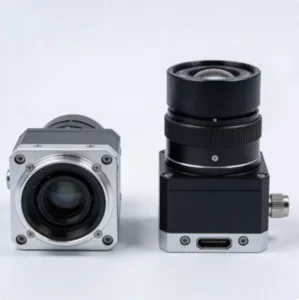
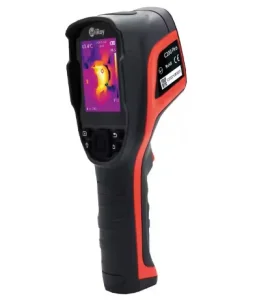
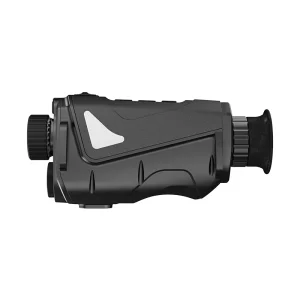
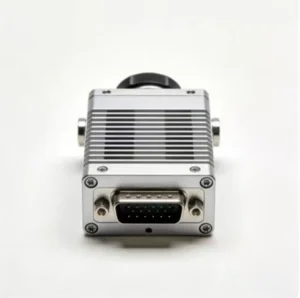
Hubei Sema Image Co., Ltd. stands as a prominent developer and manufacturer specializing in the infrared and thermal imaging industry. Our products and solutions are renowned for their superior performance and competitive edge in professional applications, driven by a strong foundation of independent intellectual property rights. As a leader in this field, we focus primarily on Thermal Imaging Cameras, which serve as our flagship product, along with a wide range of complementary technologies such as infrared detectors, thermal camera cores, and modules.
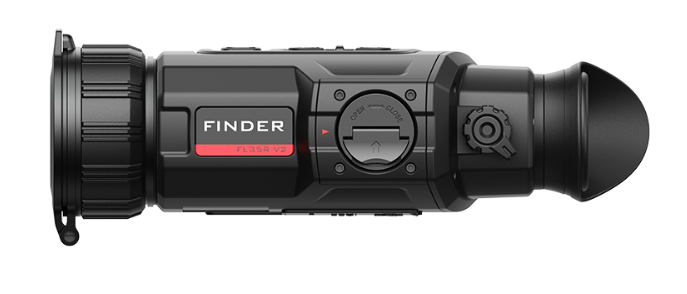
To date, we have accumulated more than 700 intellectual property rights, covering breakthrough technologies in areas such as IC design, MEMS sensors, and advanced image processing algorithms like Matrix III. Our AI-driven temperature measurement algorithms (AI-Temp) are central to our core offerings, ensuring that our clients in security, industrial monitoring, automotive, and healthcare receive the most accurate thermal data available on the market.
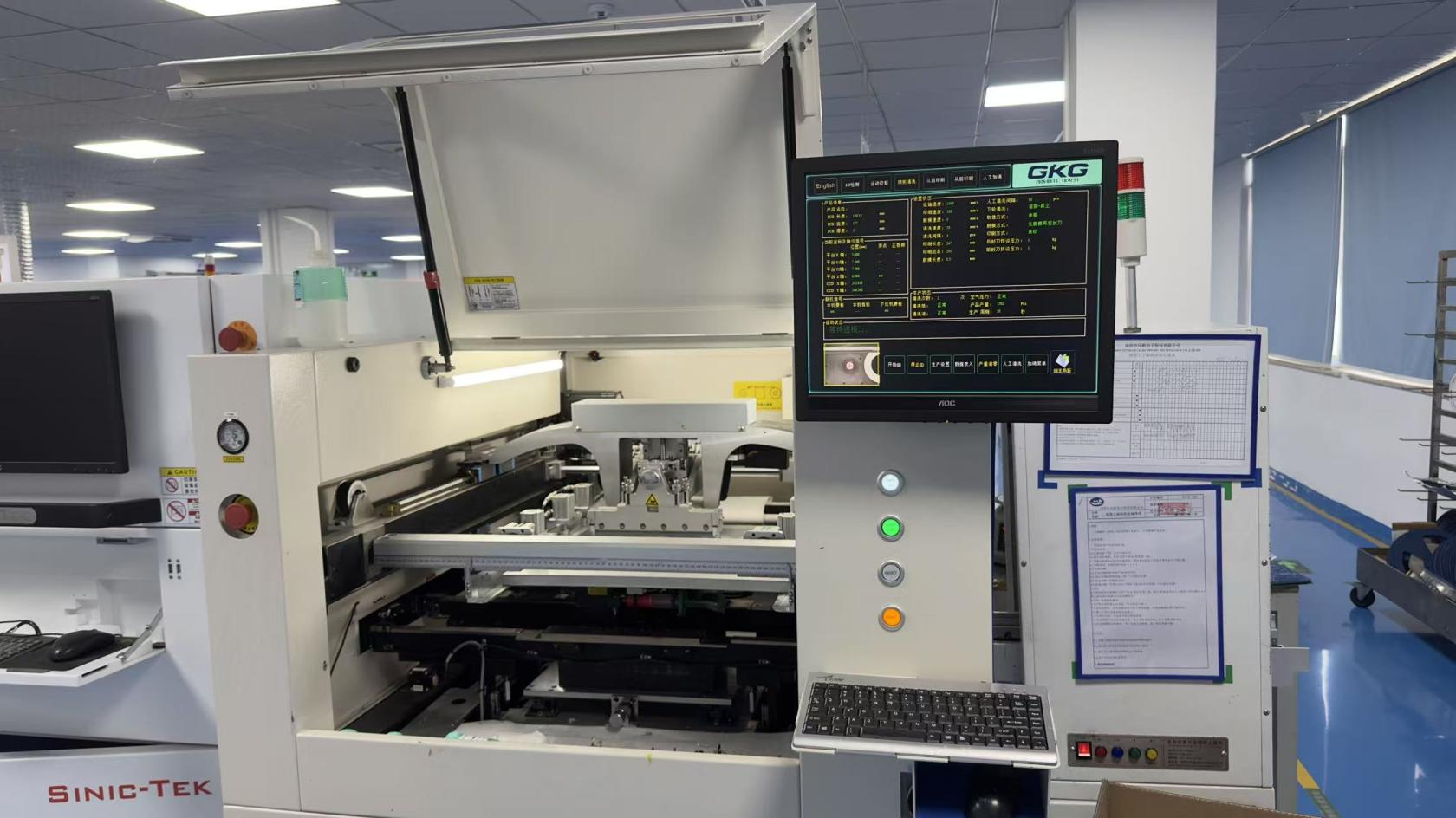
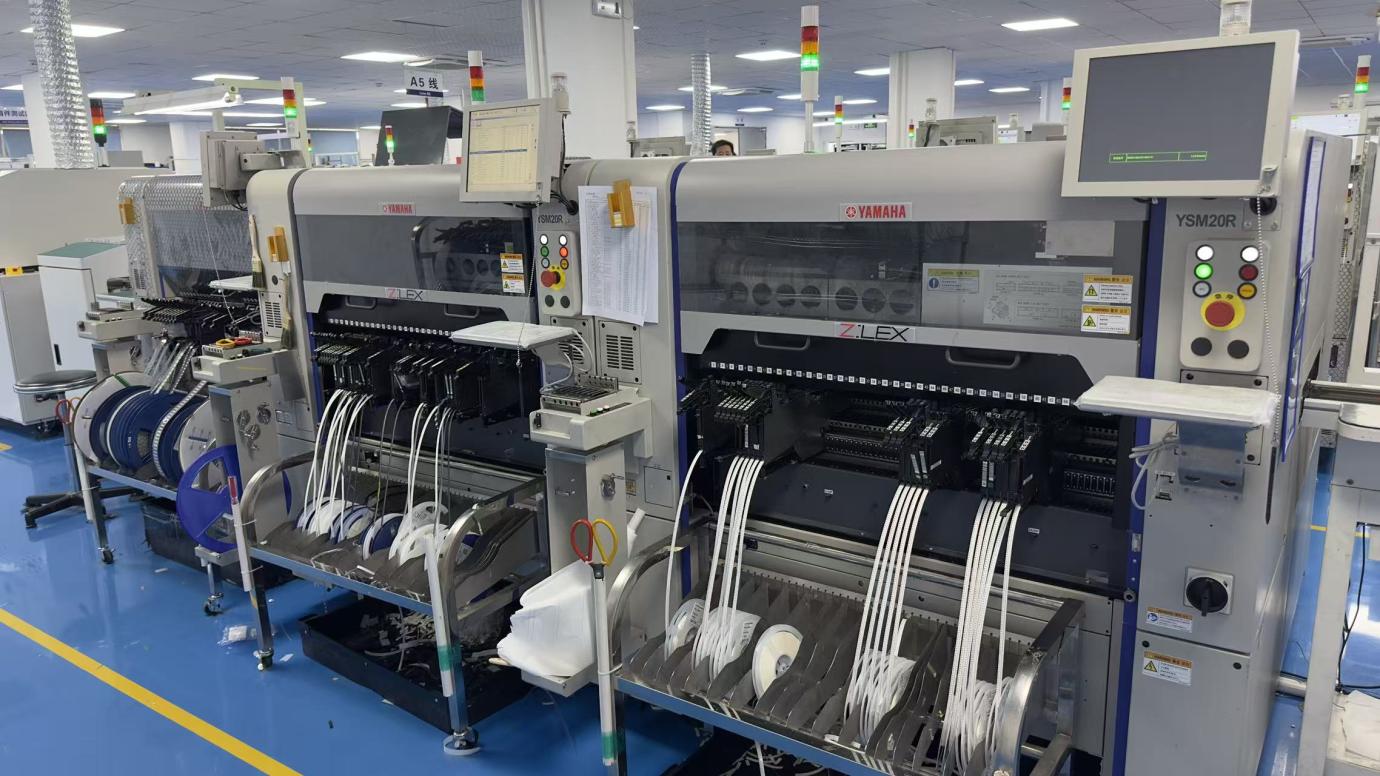
Why choose a Chinese exporter for high-precision thermal systems? The answer lies in the unique synthesis of scale, speed, and sophistication. China's manufacturing ecosystem provides an unparalleled advantage in sourcing raw materials, rapid prototyping, and mass-production scalability. At Hubei Sema Image, we leverage this infrastructure to offer "High-Performance" without the prohibitive "High-Cost" traditionally associated with infrared technology.
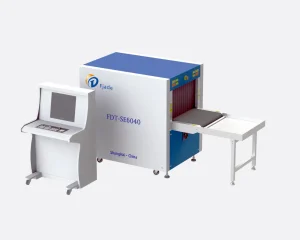
Our facility integrates vertically from the sensor level up to the finished product. This control over the entire supply chain ensures that our X-Ray Baggage Inspection Scanners and SWIR Cameras meet stringent international standards while maintaining shorter lead times. For global procurement officers, this means a reliable partner that can adapt to high-volume demands without compromising the E-E-A-T principles of reliability and expertise.
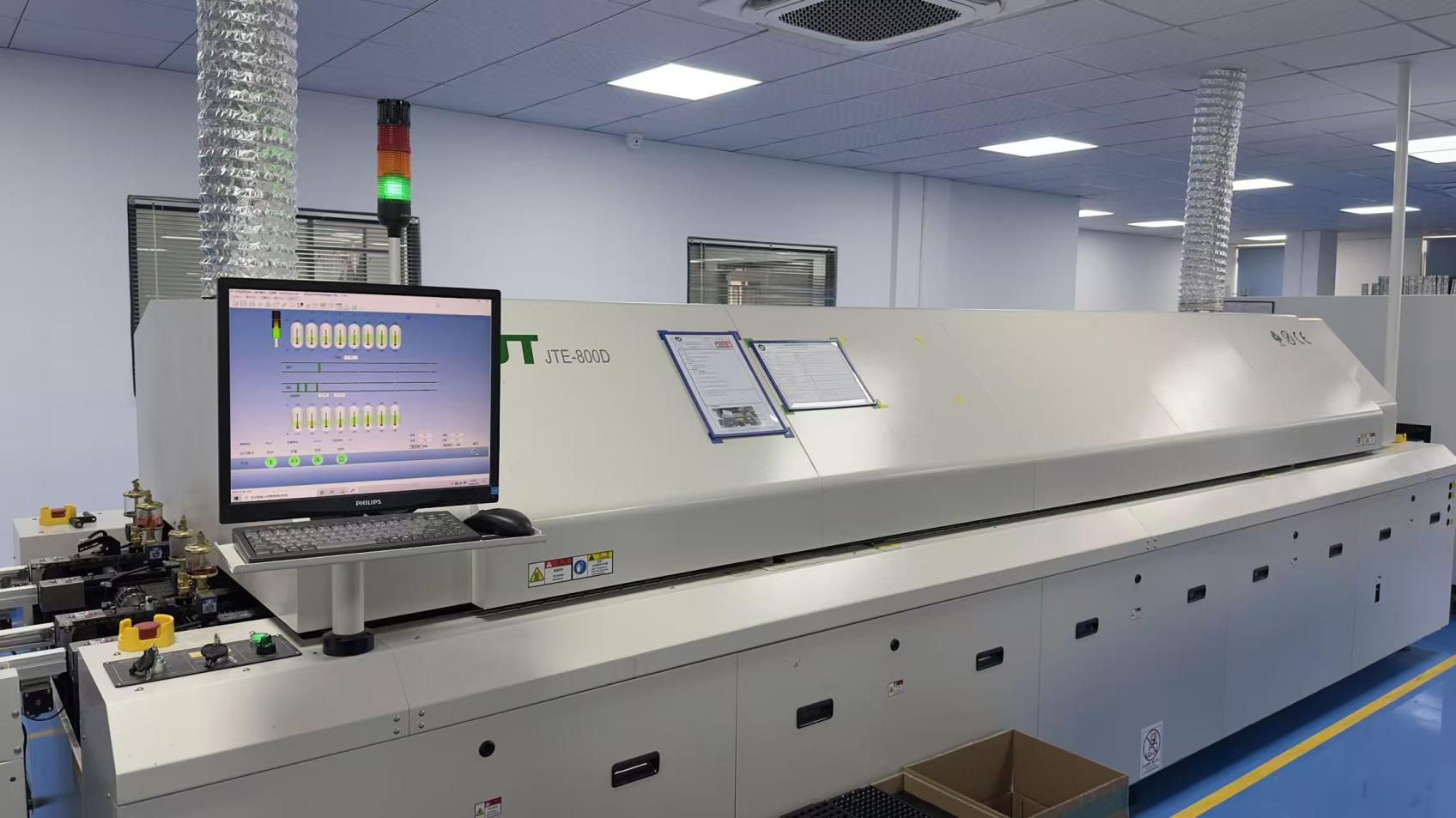
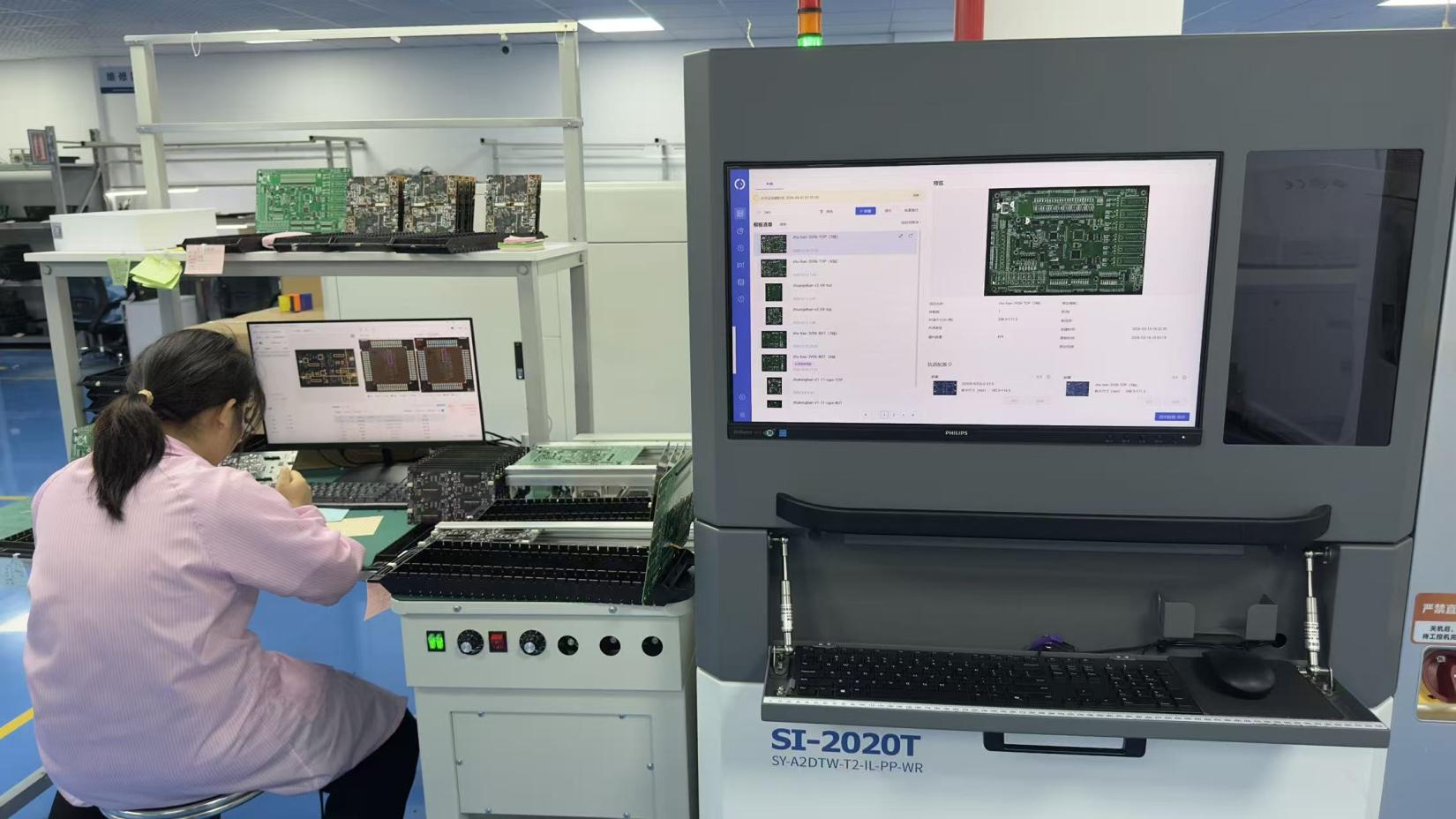
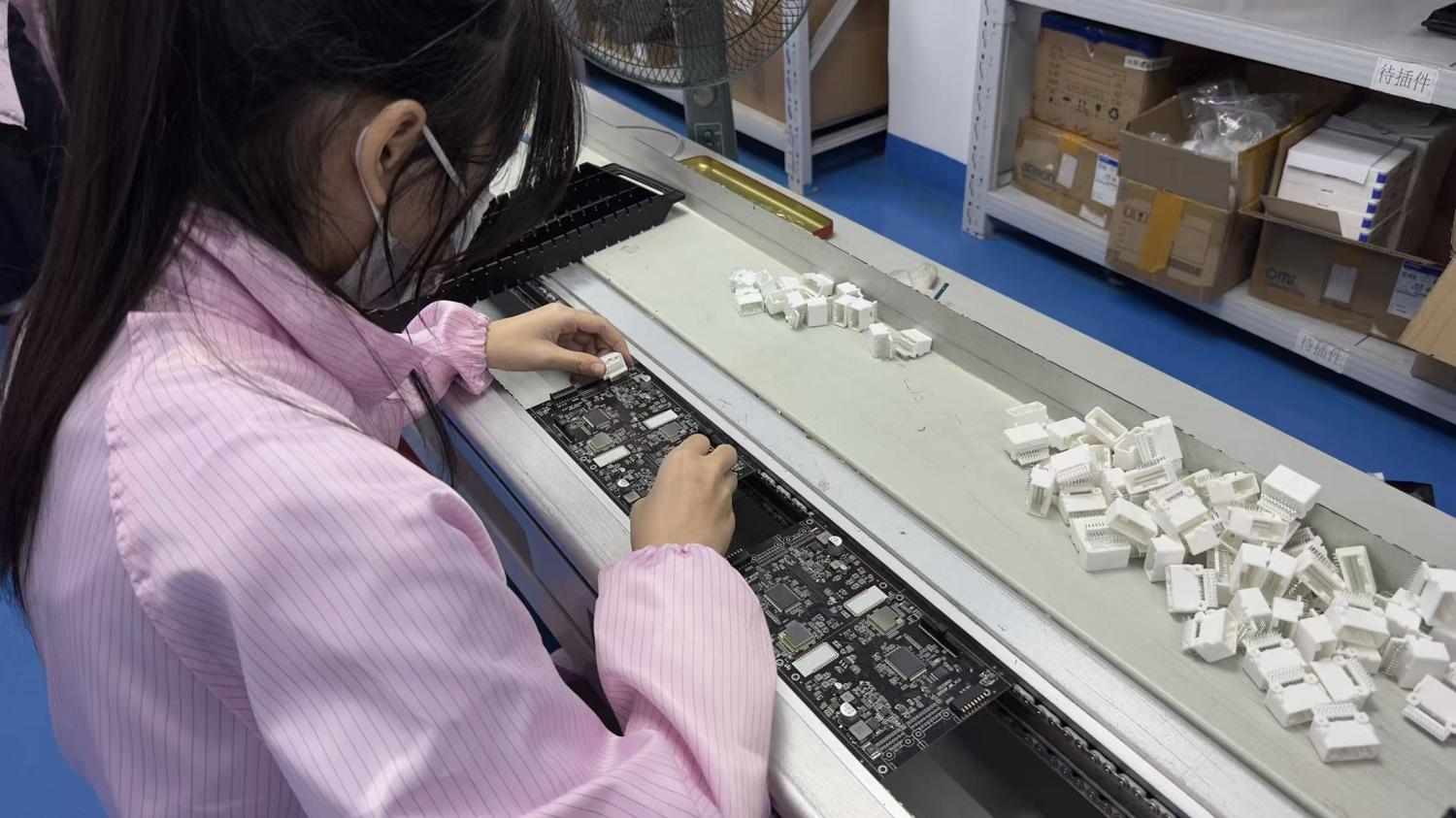
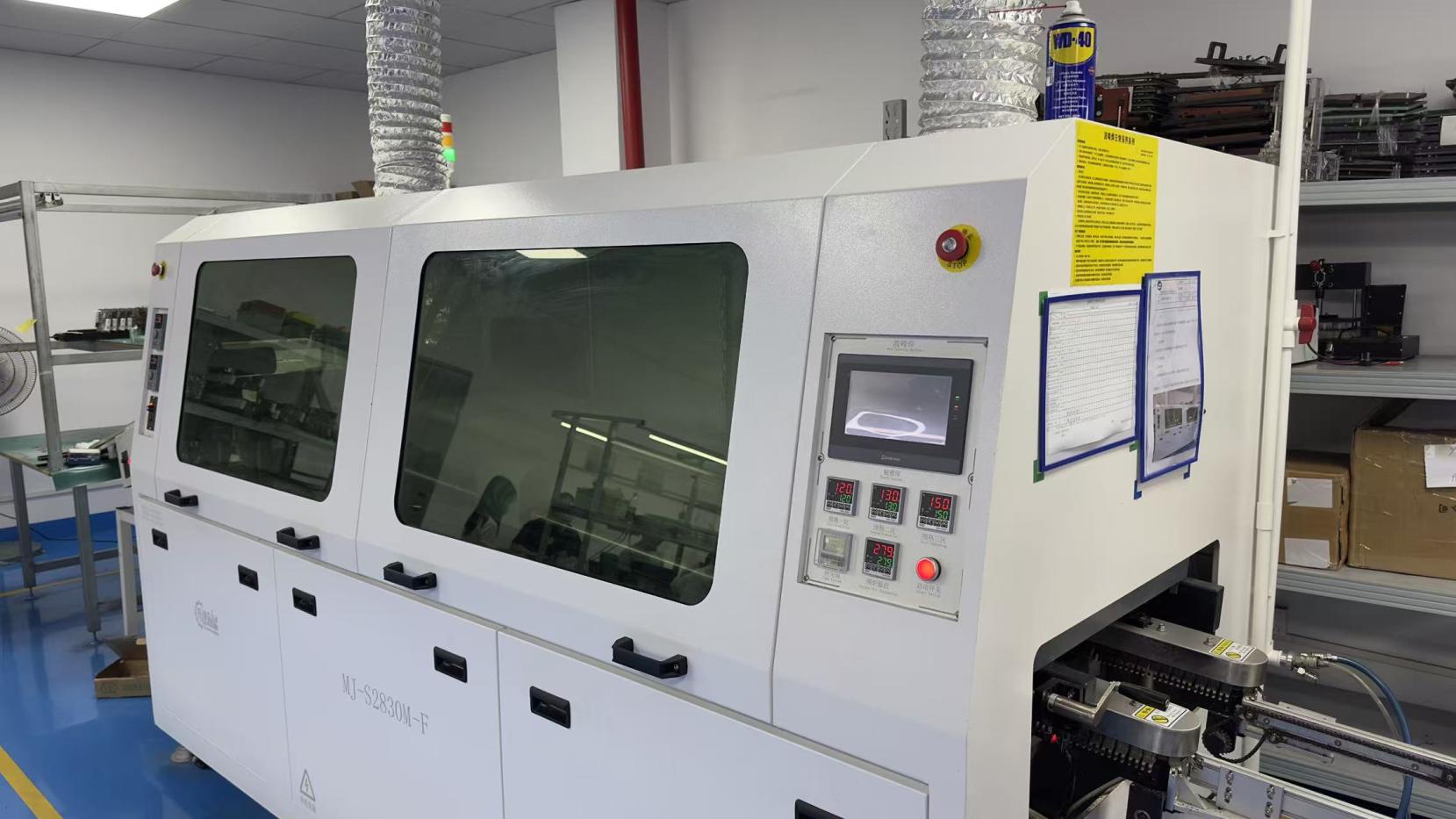
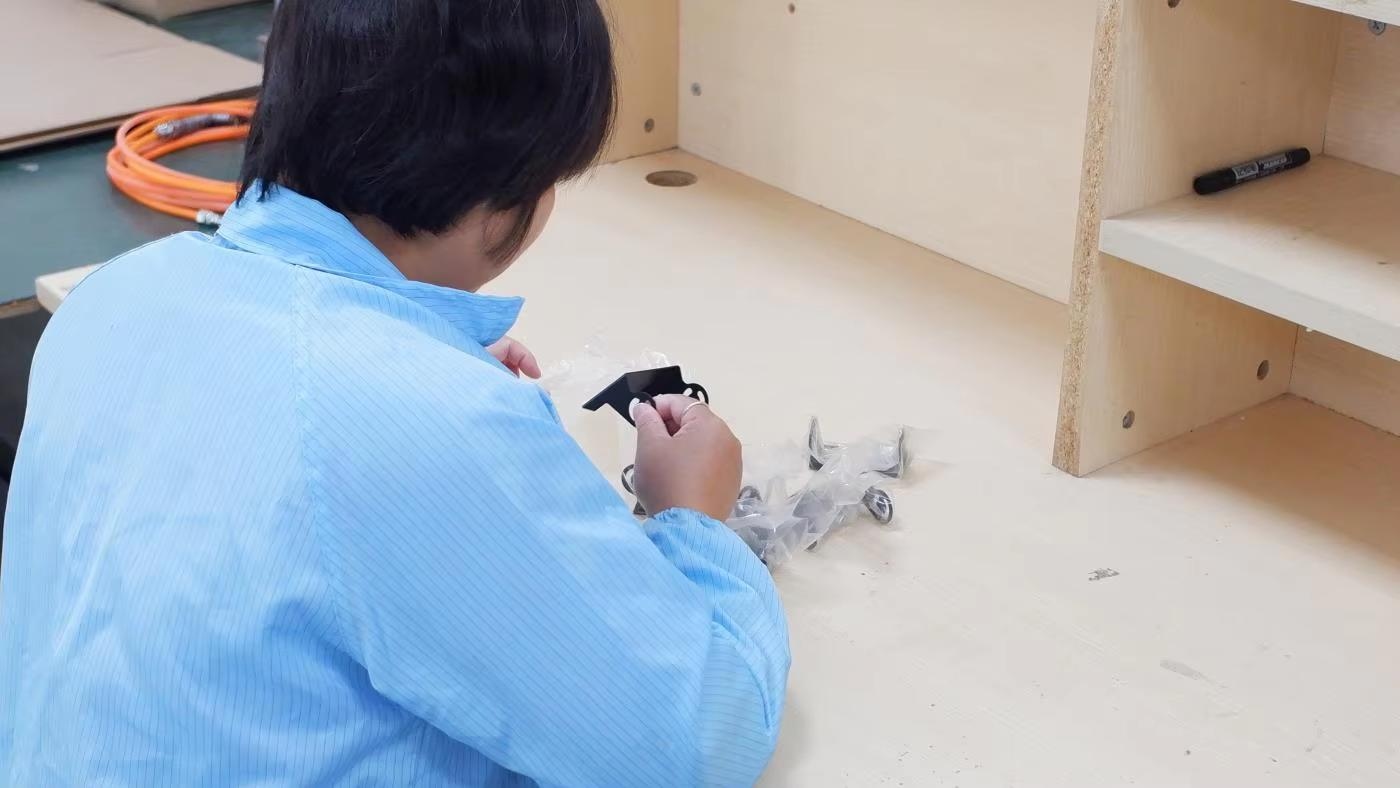
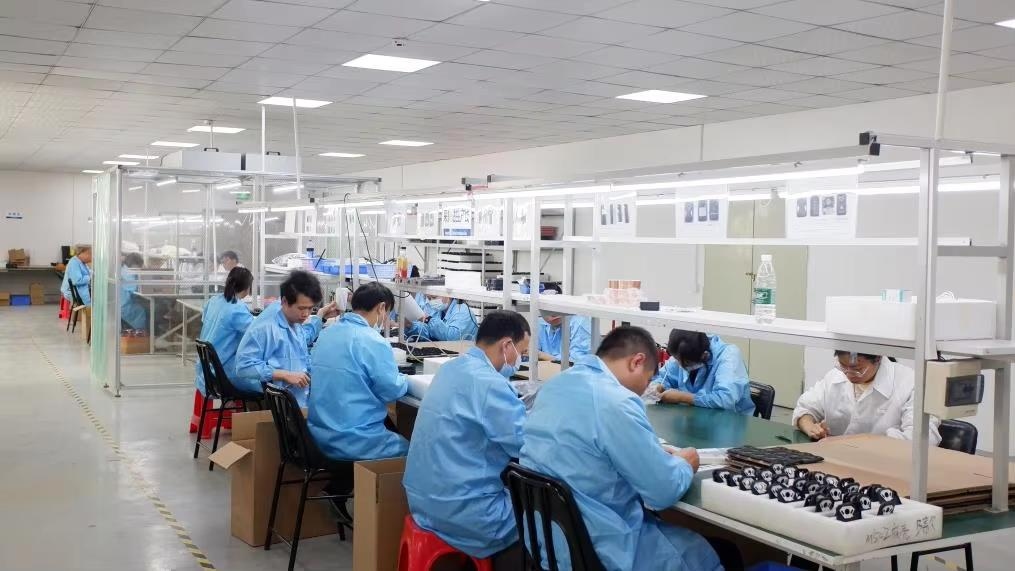
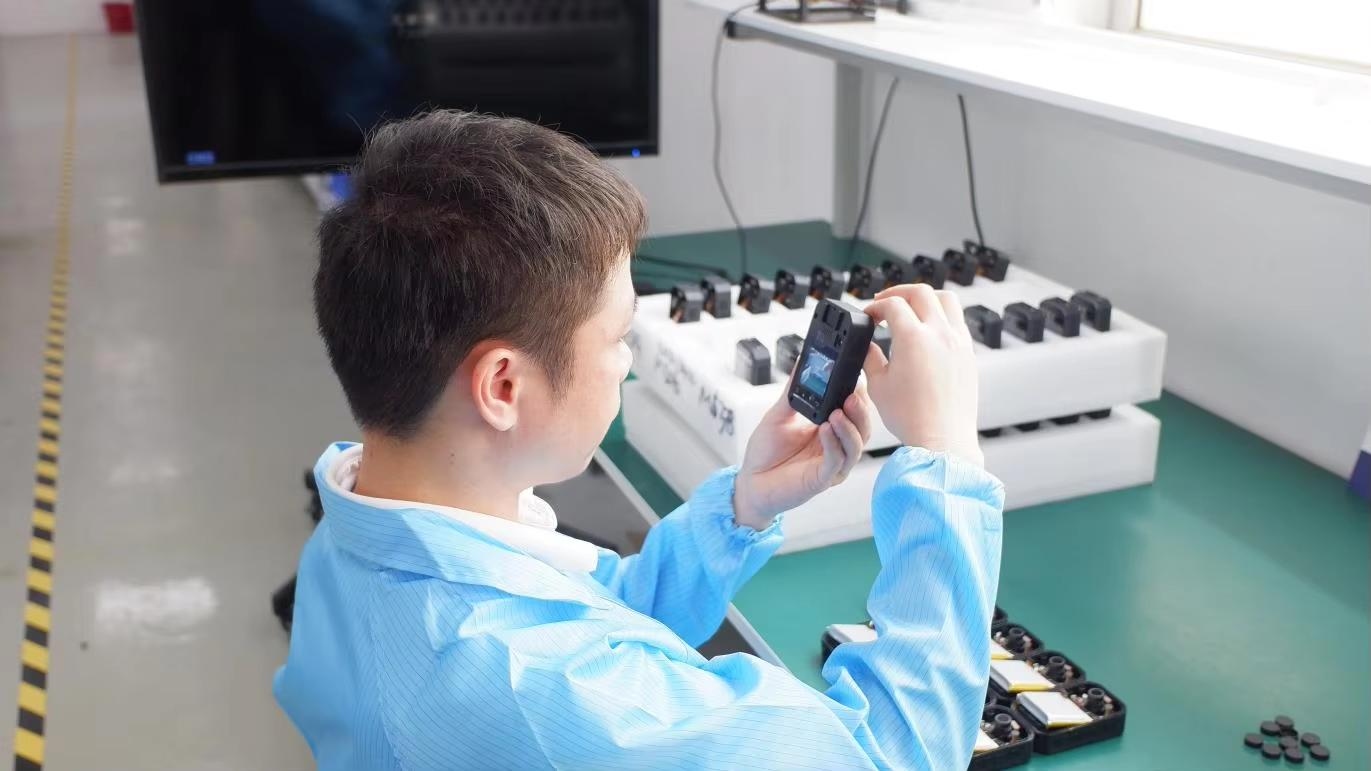
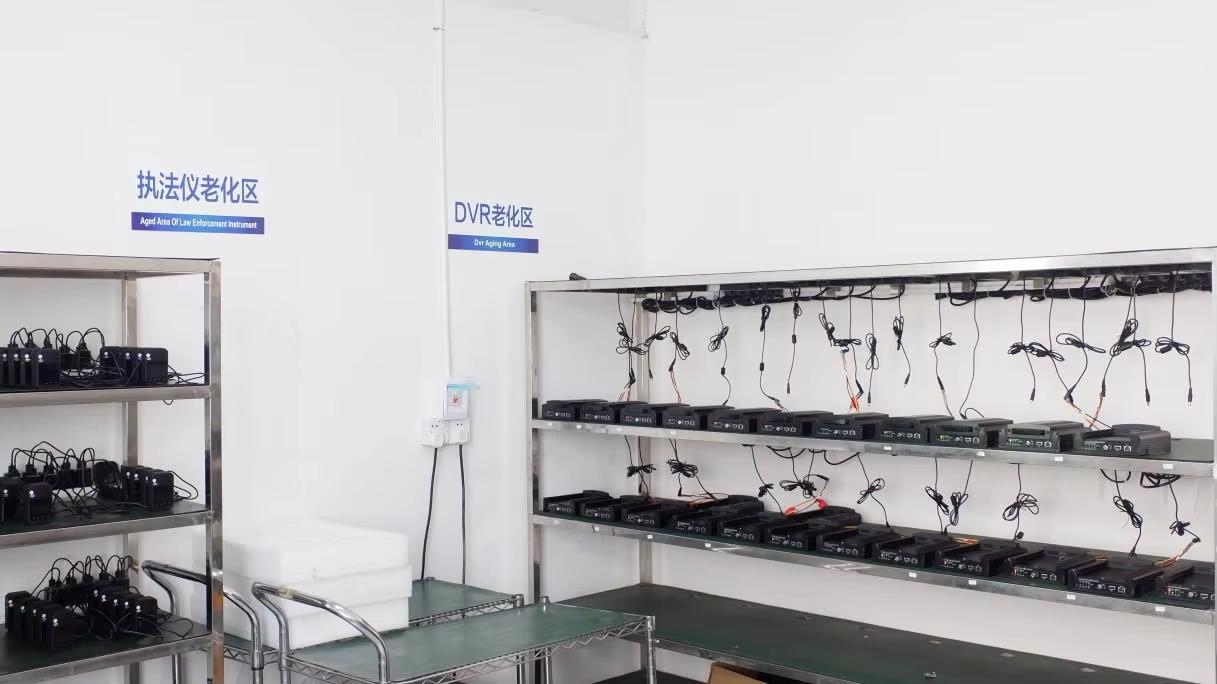
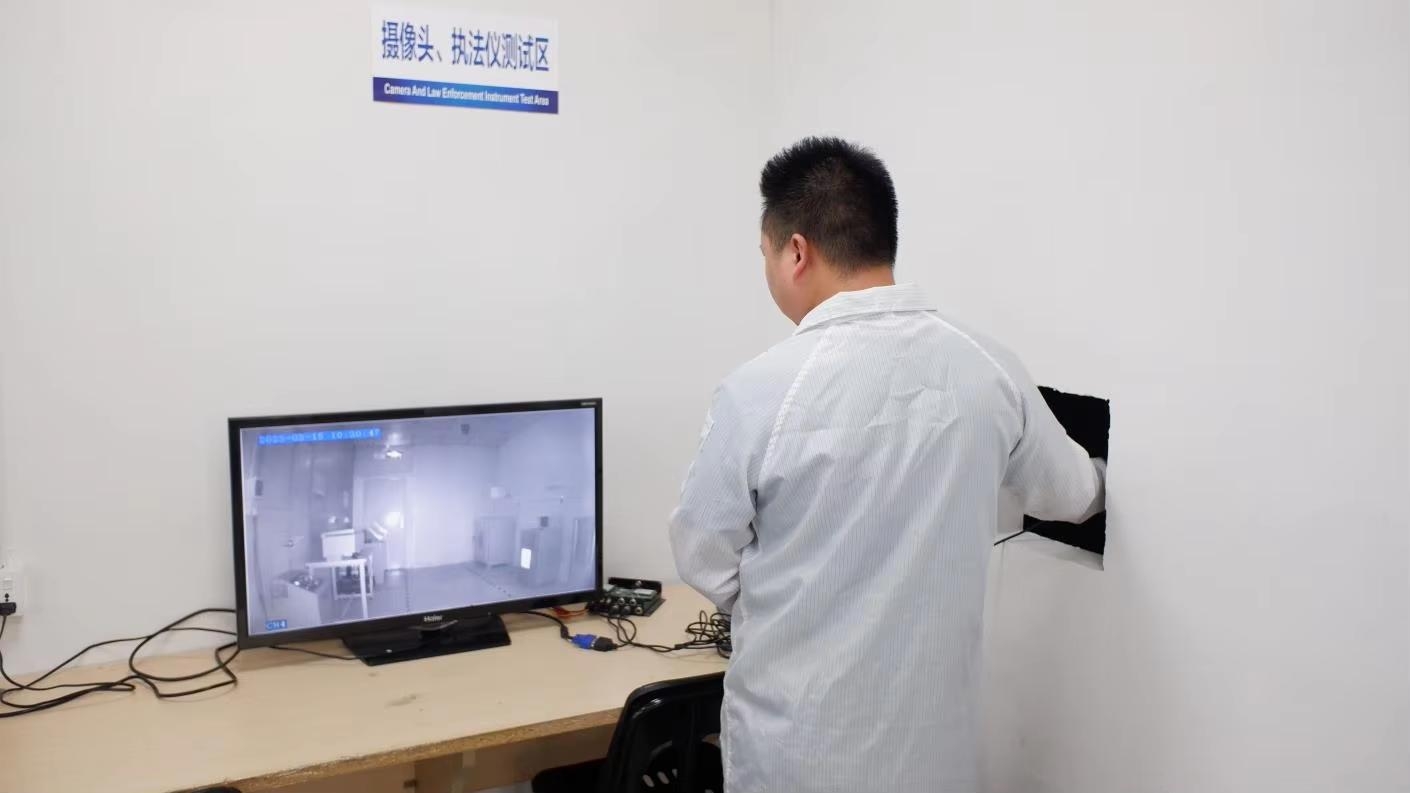
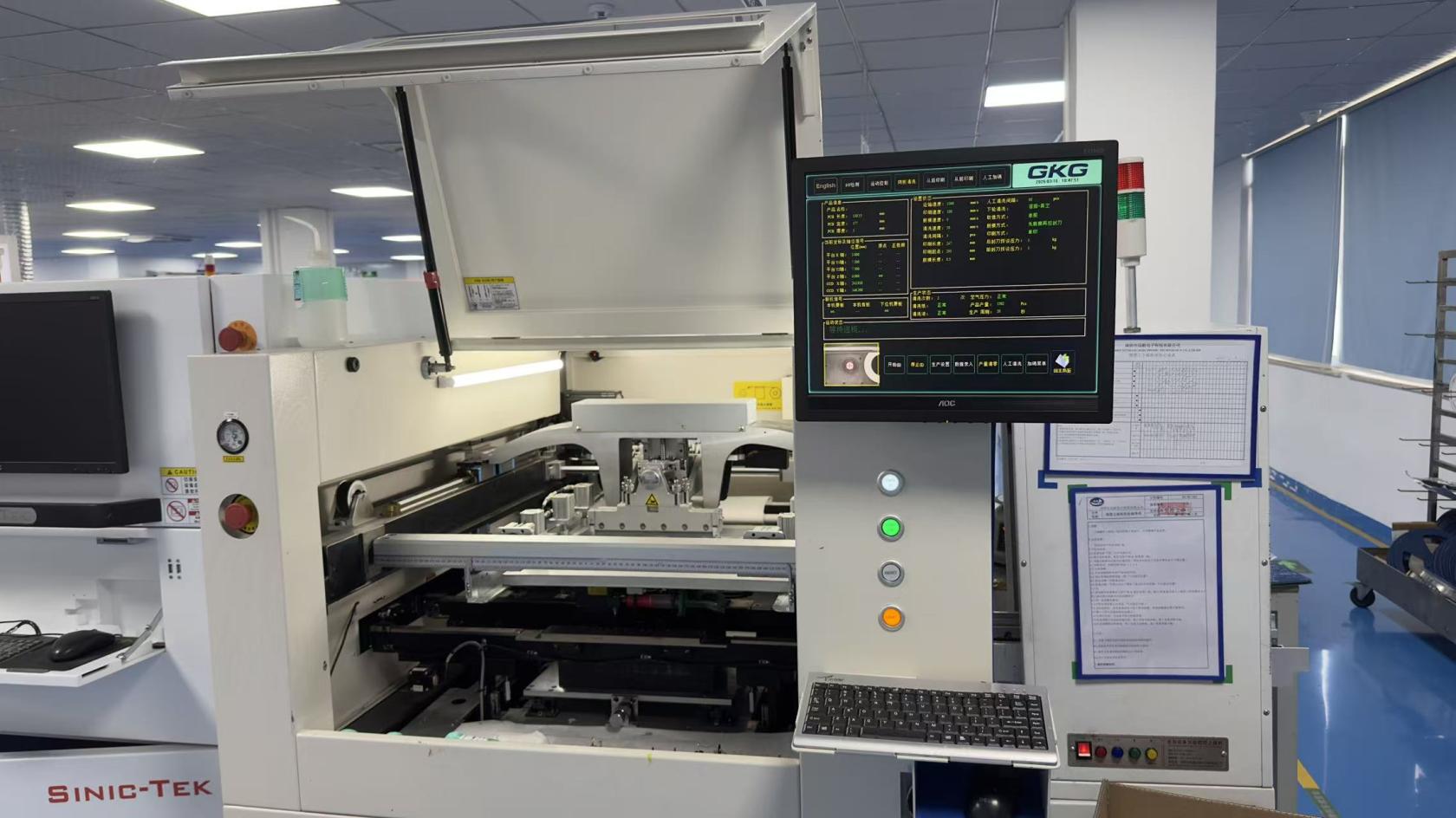
Our solutions aren't just generic tools; they are localized to meet specific environmental and regulatory challenges. From the freezing conditions of high-altitude defense corridors to the humid, corrosive environments of coastal power grids, Hubei Sema's equipment is engineered for resilience.
The industry is moving toward Miniaturization and AI-Integration. The next generation of thermal sensors will be small enough to fit inside a standard smartphone while possessing enough "Edge Computing" power to identify objects without cloud connectivity. As global enterprises look to procure thermal equipment, the focus has shifted from mere "resolution" to "Information Gain"—how much actionable data can the sensor provide?
Global Procurement Requirements: 1. NETD (Noise Equivalent Temperature Difference): Buyers now demand sub-20mK sensitivity for medical and high-end industrial use. 2. Integration Capability: Thermal modules must support CVBS, USB, and MIPI interfaces for seamless drone and robot integration. 3. Sustainability: Energy-efficient MEMS sensors that consume less power while delivering 640x512 or 1280x1024 resolutions.