Sema Image Sema Image

High Quality Liquid Thermal Conductive Electroinc Silicone Rubber Potting Compound for Heat Sink or Base Plate Attach

Still deciding? Get samples of $ !
Order Sample

Product Description

i

Basic Information

Certification
ISO, FDA, REACH, RoHS
Transport Package
1kg, 5kg, 20kg, 25kg, 200kg
Specification
30*30*45.5cm
HS Code
39100000
Production Capacity
1000tons Per Month
Package Size
30.00cm * 30.00cm * 45.50cm
Package Gross Weight
27.000kg

Product Description

Thermally Conductive Adhesives is dual cure neutral silicone RTV adhesive sealant developed for applications requiring fast cure, such as high-performance silicone coatings.

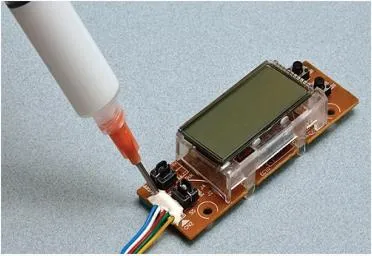
  • One-part room temperature-cure materials
  • Superior adhesive and heat transferring
  • Good thermal conductivity
  • Good cold & heat resistance
  • Self-priming adhesion
Thermally Conductive Adhesive Silicone Rubber Potting Electronic Silicone Rubber
📋

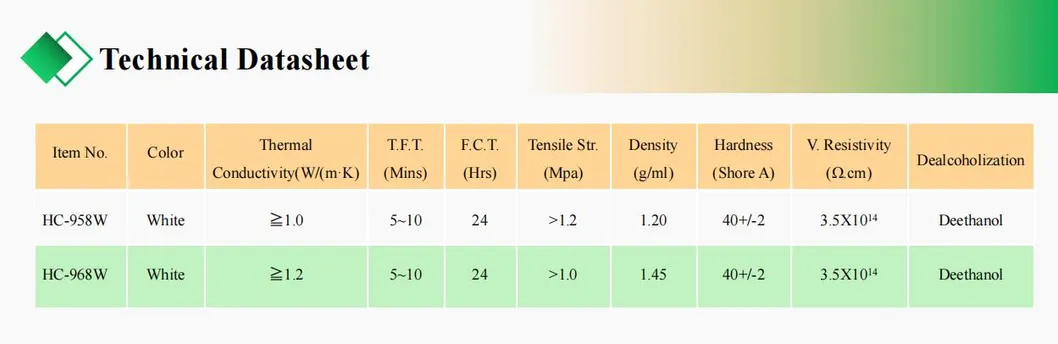
Product Parameters

Product Parameter Table

Applications

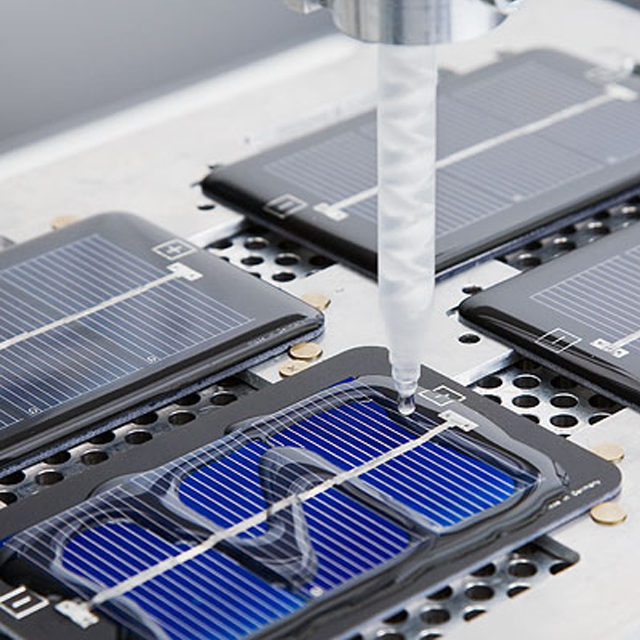
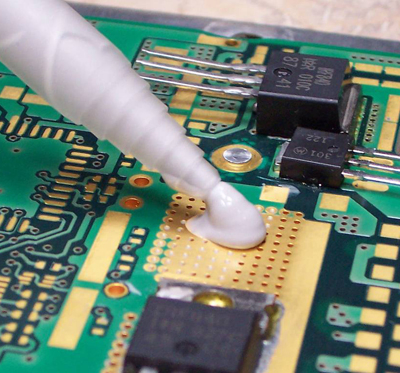
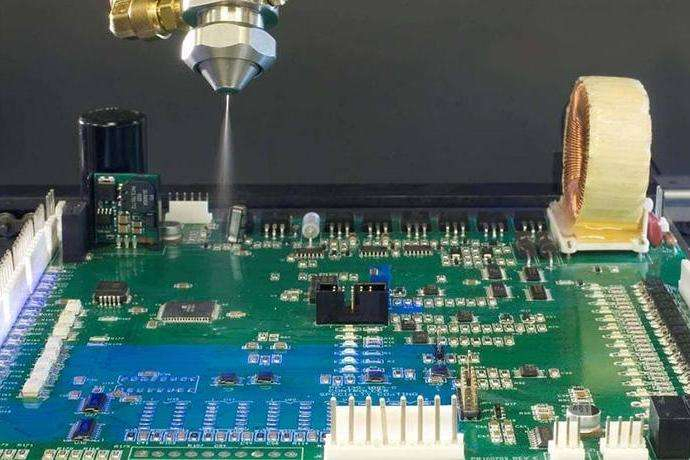
  • Heat sink or base plate attach
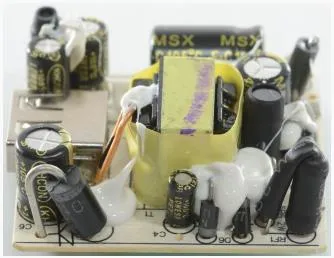
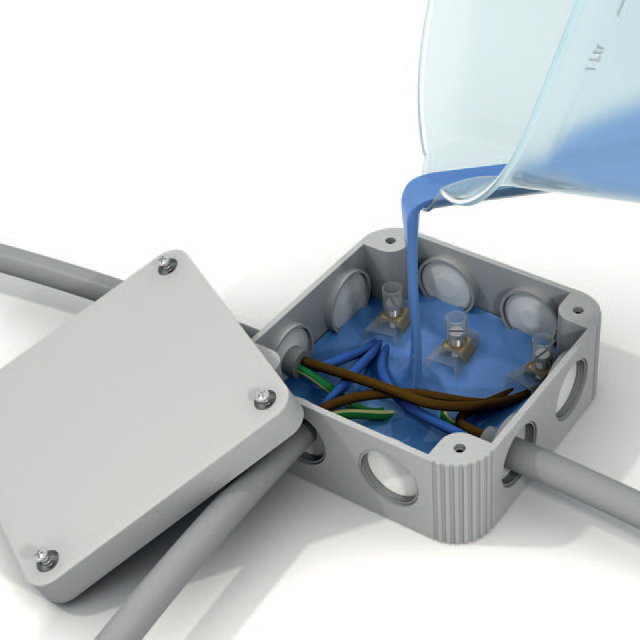
  • Potting power supplies
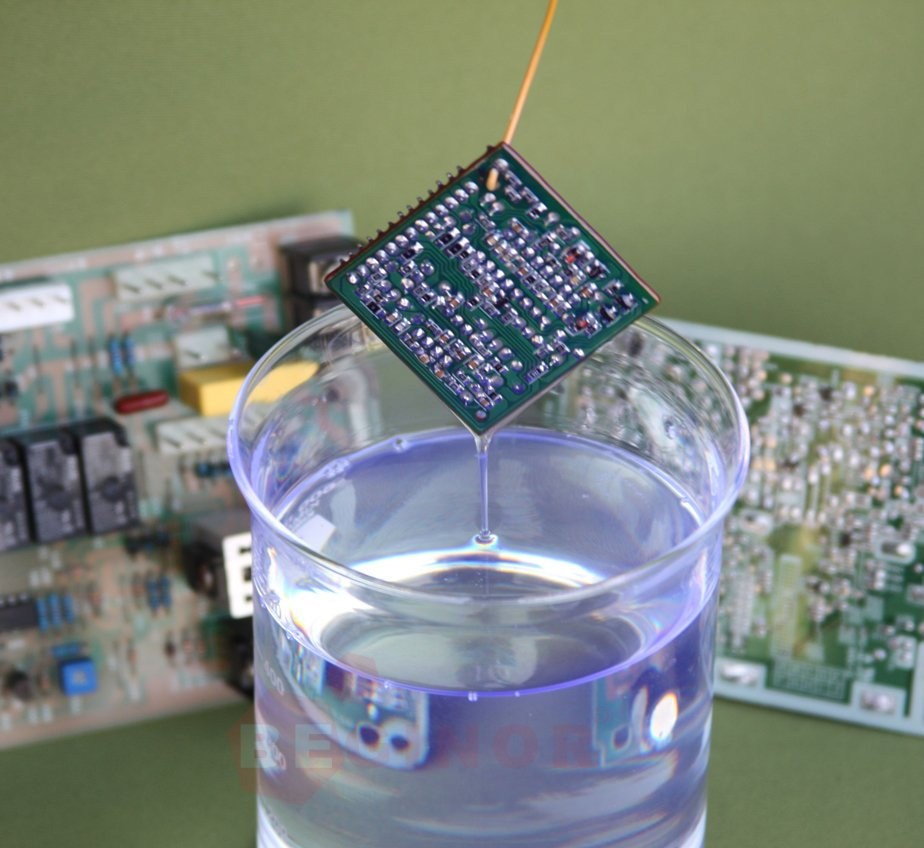
  • Bonding for electronic products requesting higher insulation & thermal conductivity
Application view

ADDITIONAL INFORMATION

Reproduction of Vertical Surfaces: If a skin mold is required of a vertical object or surface and cannot be made by normal pouring techniques, the catalyzed mixture can be made non-flowable by the addition of thixotropic agent.
  1. Brush the original with a thin layer of catalyzed mixture.
  2. Repeat once first layer starts to cure (coating thickness >2mm).
  3. Add 1% thixotropic additive for a paste consistency.
  4. Use a spatula to cover the coated original; cure for 24 hours.
Silicon details Potting process Heat sink attachment

Use at High Temperatures: Condensation cure silicone rubbers may degrade above 150°C (302°F) if confined or stored at high ambient temperatures, potentially causing softening.

Resistance to Casting Materials: Fully cured silicone rubber has excellent chemical resistance. However, aggressive casting materials may eventually attack molds, affecting surface release and dimensions.
Material resistance
🏢

Manufacturer Profile

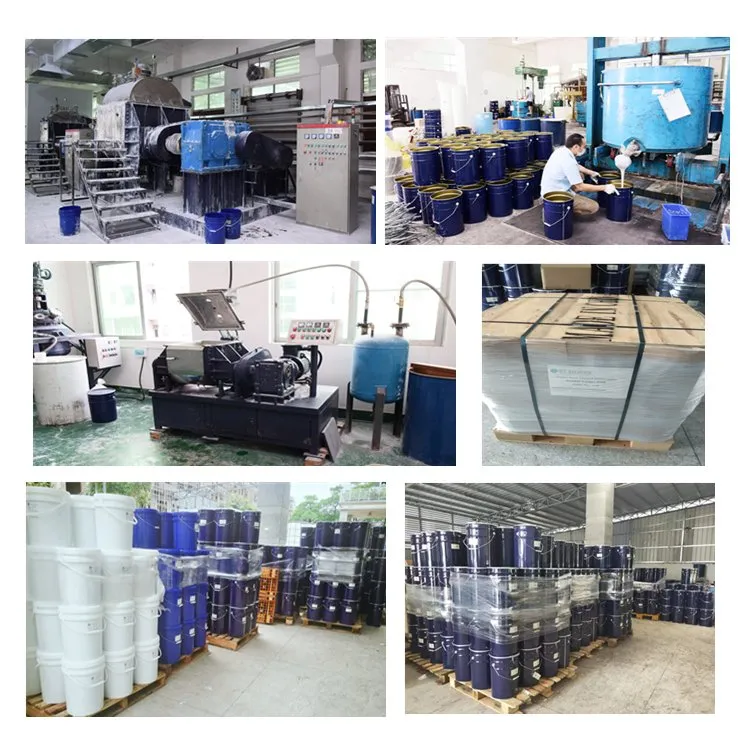
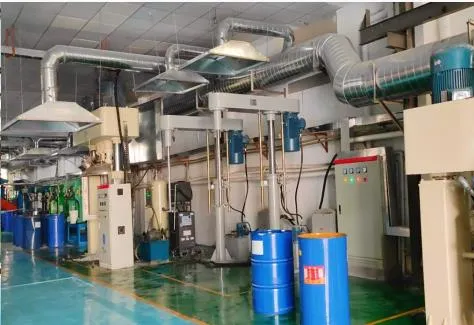
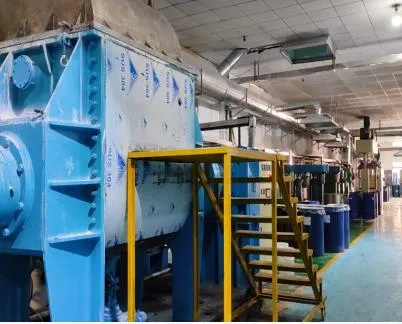
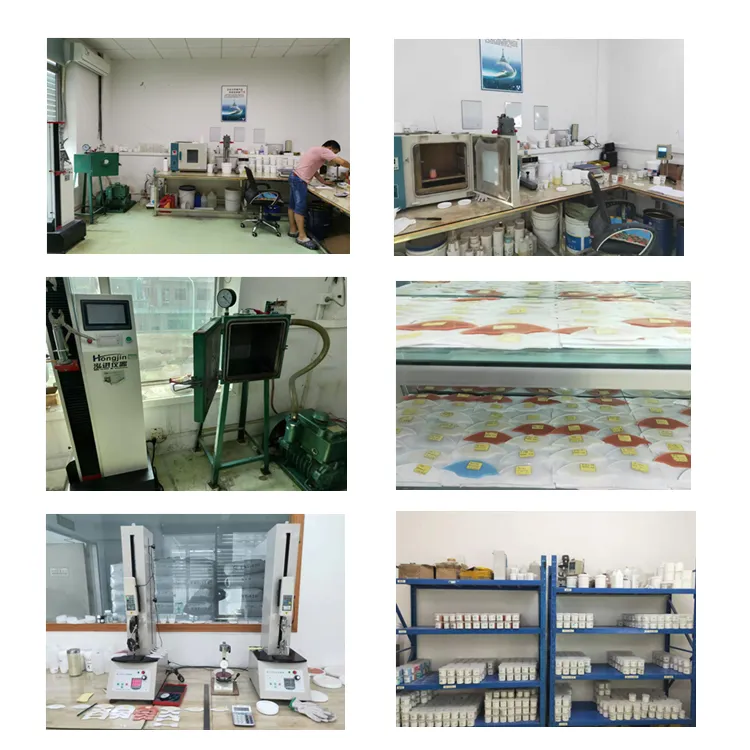
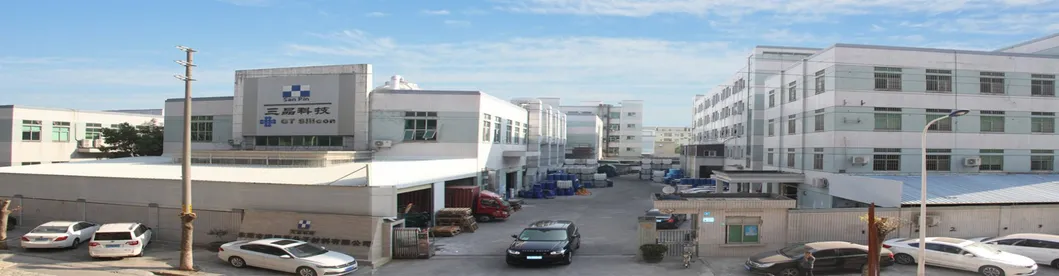
Factory View Lab View

We are a professional leading manufacturer of RTV 2 Liquid Silicone Rubbers. Focusing our Research and Development on innovation, we have been providing performance enhancing solutions to serve the diverse needs of thousands of customers worldwide since 2003. Our main products include RTV 2 mold making series, tinsil and platsil, injection LSR, silicone potting compound, silicone oil, and silicone ink.

With a production capacity reaching more than 500 tons per month, we uphold core values of independent innovation and sincere cooperation, ensuring quality materials for domestic and overseas partners.

📦

Packaging & Shipping

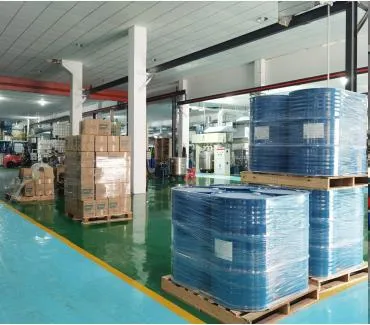
Packaging Options: 1kg/plastic can, 5kg/plastic drum, 20kg/metal drum, 25kg/plastic drum, 25kg/metal drum, 200kg/metal drum. Customized service on package is available.
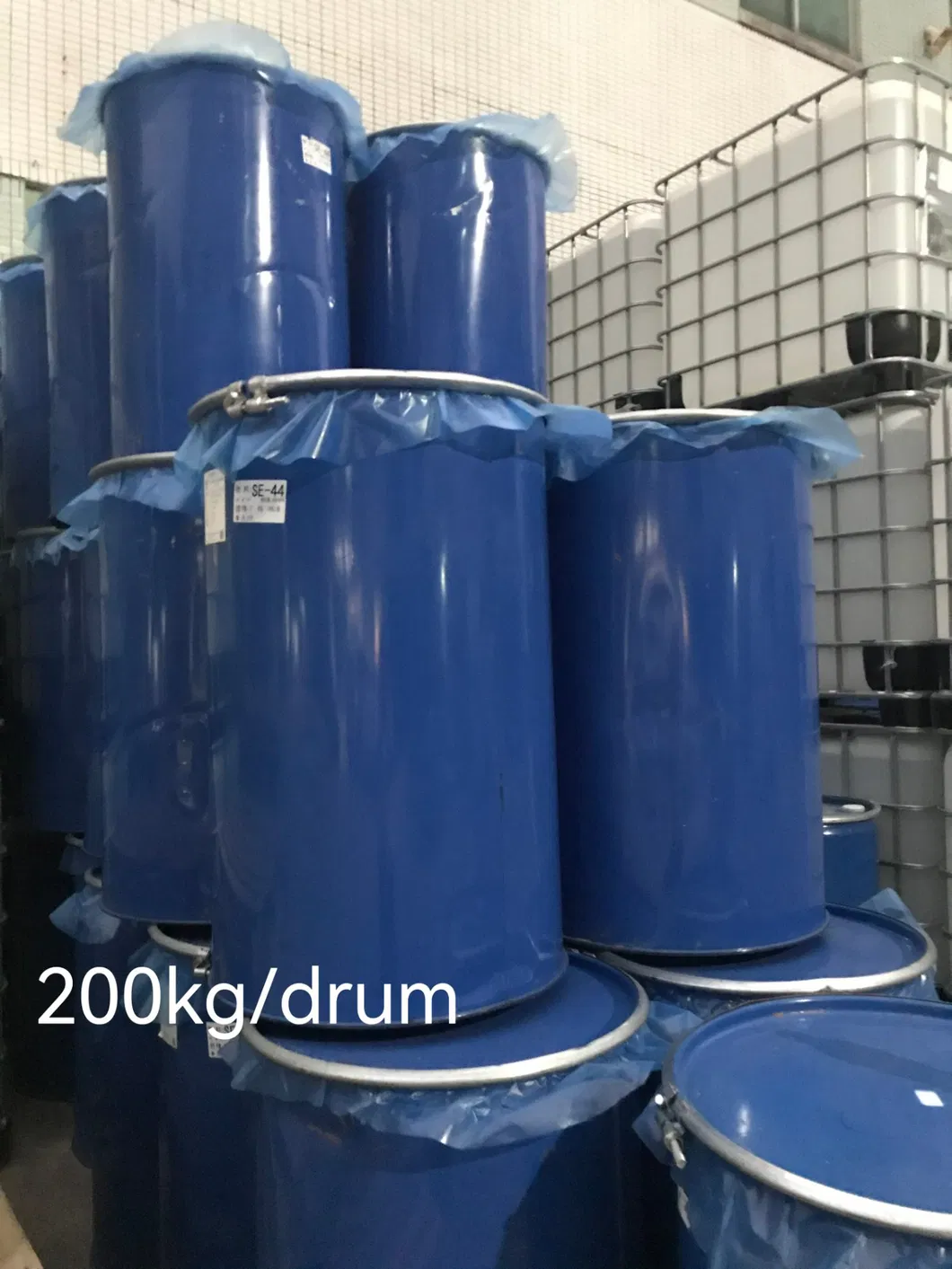
Packaging display

Normal delivery time: 3-5 days after payment confirmation.

Available Shipping Methods: Sea, Air, Train, or Truck.

Frequently Asked Questions

1. What are the primary features of these thermally conductive adhesives? They offer superior heat transferring, excellent thermal conductivity, cold and heat resistance, and one-part room temperature curing.
2. Can this material be used on vertical surfaces? Yes, by adding a thixotropic agent, the mixture becomes non-flowable, allowing it to be applied to vertical surfaces using a spatula.
3. What is the typical lead time for an order? Standard delivery is within 3 to 5 days once payment is confirmed in our bank.
4. What packaging sizes are available? We provide various sizes ranging from 1kg cans to 200kg metal drums. Customized packaging is also available upon request.
5. Does the silicone rubber resist casting materials? The fully cured rubber has excellent chemical resistance, though aggressive resins may eventually impact the mold surface over long production runs.
6. Is it suitable for high-temperature applications? It maintains stability under normal conditions, but prolonged exposure to temperatures above 150°C in confined storage may lead to softening of properties.

Related Products